Surrogacy in Iran: Costs, Laws, and How to Choose the Right Clinic and Agency


For many intended parents across the Middle East and beyond, Iran has quietly become one of the more accessible surrogacy destinations in the region — legally recognised, comparatively affordable, and built around a well-established fertility sector. But "legal" doesn't mean "simple." Between religious eligibility rules, contract requirements, and the practical realities of moving embryos or samples across a heavily sanctioned economy, intended parents need a clear picture before they commit to a clinic or agency.
This guide covers what the law actually allows, what surrogacy costs in Iran in 2026, how to vet an agency, and the logistical questions most guides skip entirely.
Contact us:
Whatsapp: +447585610211
Phone: +442081500059
Is surrogacy legal in Iran?
Yes — Iran has permitted surrogacy since 2003, making it one of the earliest countries in the Muslim world to formally allow the practice. The legal foundation traces back to a 1999 fatwa from Iran's Supreme Leader, which opened the door to surrogacy under Shia jurisprudence even though most Sunni scholars continue to reject it.
Key features of the current framework:
Commercial surrogacy is permitted. Surrogates can be paid for their role, not just reimbursed for expenses.
Eligibility is restrictive. Access is generally limited to heterosexual married couples with a demonstrated medical need, such as an absent or non-functioning uterus.
Gametes must come from the intended parents. Iranian surrogacy is built around the couple's own eggs and sperm; third-party egg or sperm donation into a surrogacy arrangement sits in much greyer territory.
A notarised contract is mandatory, typically drafted as a lease-type agreement and registered with Iran's Deeds and Properties Registration Organization. It sets out compensation, responsibilities, and the surrogate's rights.
A pre-birth court order establishes the intended parents as legal guardians, and their names go directly on the birth certificate — there's no post-birth adoption step.
Surrogate eligibility rules commonly used by clinics include: married with spousal consent, aged roughly 21–35, at least one prior successful pregnancy, in good physical and mental health, and no genetic relationship to the child. She has no legal claim over the child once born.
It's worth being clear-eyed about the gaps, too. There's no single comprehensive national surrogacy statute — the framework rests on fatwas, registered private contracts, and clinic practice rather than one codified law. Researchers have flagged unresolved questions around surrogate protections in the case of pregnancy complications, and an unregulated informal market exists alongside the licensed clinical one. This is exactly why the choice of agency and clinic matters so much: the legal system gives you a contract, but it doesn't give you a regulator checking every provider's standards the way, say, the HFEA does in the UK.
A separate and equally important question is your own country's law. Several countries now treat cross-border surrogacy as a criminal matter regardless of where it takes place — Italy's 2024 law is the clearest recent example, applying criminal penalties to Italian citizens who pursue surrogacy abroad. Before booking anything in Iran, intended parents should get independent legal advice in their home country on parentage recognition, citizenship, and travel documentation for the child. This is not something a fertility agency can advise you on with authority — you need a lawyer.
What does surrogacy in Iran cost?
Iran is consistently cited as one of the least expensive surrogacy destinations offering a full legal pathway, generally 60–70% cheaper than the US, Canada, or Western Europe. Reported figures vary by provider and what's bundled in, but the typical ranges are:
Surrogacy using the intended parents' own eggs and sperm: roughly $14,000–$16,000 for the core medical/surrogate component
Full-service packages (IVF cycle, lab work, ultrasounds, medication, embryo transfer, surrogate compensation, legal contract): roughly $19,000–$30,000
Comprehensive packages including legal representation and post-birth documentation support: toward the upper end of that range, sometimes cited up to $25,000–$30,000
By comparison, US surrogacy packages routinely exceed $150,000. The gap is real, but it's important to price out exactly what's included — some quoted figures cover only the clinical side and exclude legal fees, translation, accommodation, or the paperwork needed to get the child a passport and travel documents afterward. Ask for a full line-item breakdown before you compare providers.
How to choose the right surrogacy agency in Iran
Because there's no single national regulator vetting every provider, due diligence sits almost entirely with you. A few things worth checking before signing anything:
1. Separate legal representation. A reputable agency arranges independent legal counsel for the intended parents — not just a contract drafted by the clinic's own in-house lawyer representing everyone's interests at once. Ask specifically who represents you if a dispute arises.
2. Clarity on what's actually included. Get an itemised quote covering IVF/embryo transfer, surrogate compensation, legal contract and registration, translation, court order processing, and birth documentation. Vague "all-inclusive" packages are where costs balloon later.
3. Track record and verifiable outcomes. Ask how many international surrogacy journeys the agency has completed, not just years in operation. Request to speak with a
past client if possible.
4. Surrogate screening standards. Confirm the agency's process for medical and psychological screening of surrogates, and how they handle a surrogate's rights and support if pregnancy complications arise — this is one of the areas where Iran's legal framework is least clearly defined, so the agency's internal standards matter more than usual.
5. A concrete plan for exit documentation. How does the child leave Iran? What travel document, passport, or emergency travel letter process does the agency handle, and how long does it typically take? This single step derails more journeys than the medical side does.
6. How they handle cross-border logistics. This is the part general fertility guides tend to skip, and it deserves its own section below.
The part most guides miss: getting samples and embryos in and out of Iran
If your journey involves shipping your own sperm, eggs, or embryos into Iran — rather than creating everything in-country — you're not just managing a fertility process, you're managing an international cryogenic shipment into one of the most heavily sanctioned economies in the world. Contact us to arrange your specialist transport services.
A few practical realities intended parents should understand:
Banking and payment channels to Iran are restricted. US and, to varying degrees, EU sanctions regimes limit financial transactions with Iranian entities. This affects how agency fees, clinic payments, and courier costs can legally be paid, and from which countries. This is a compliance question, not just a convenience one — get clarity in writing on how payments are structured before transferring funds.
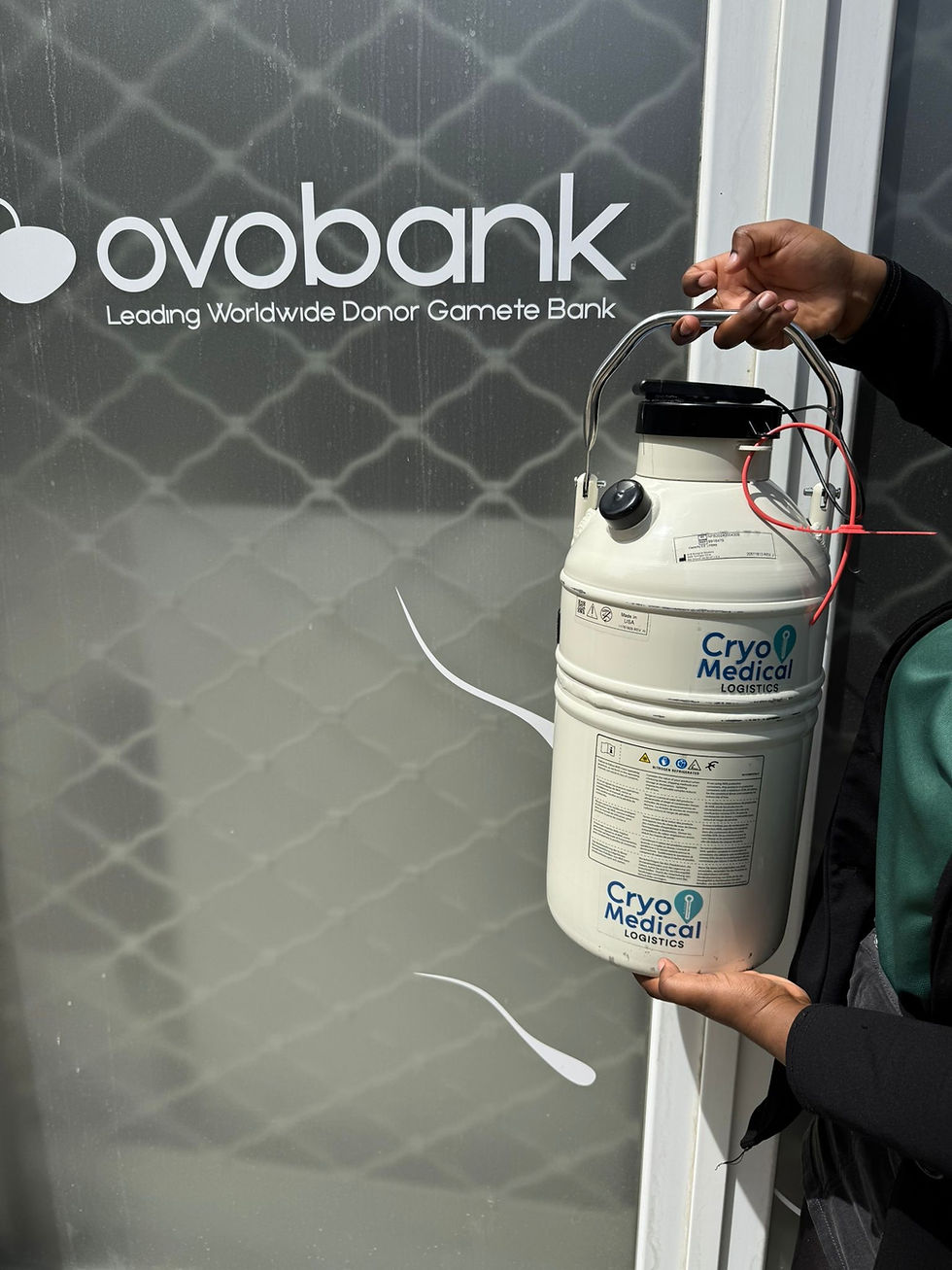
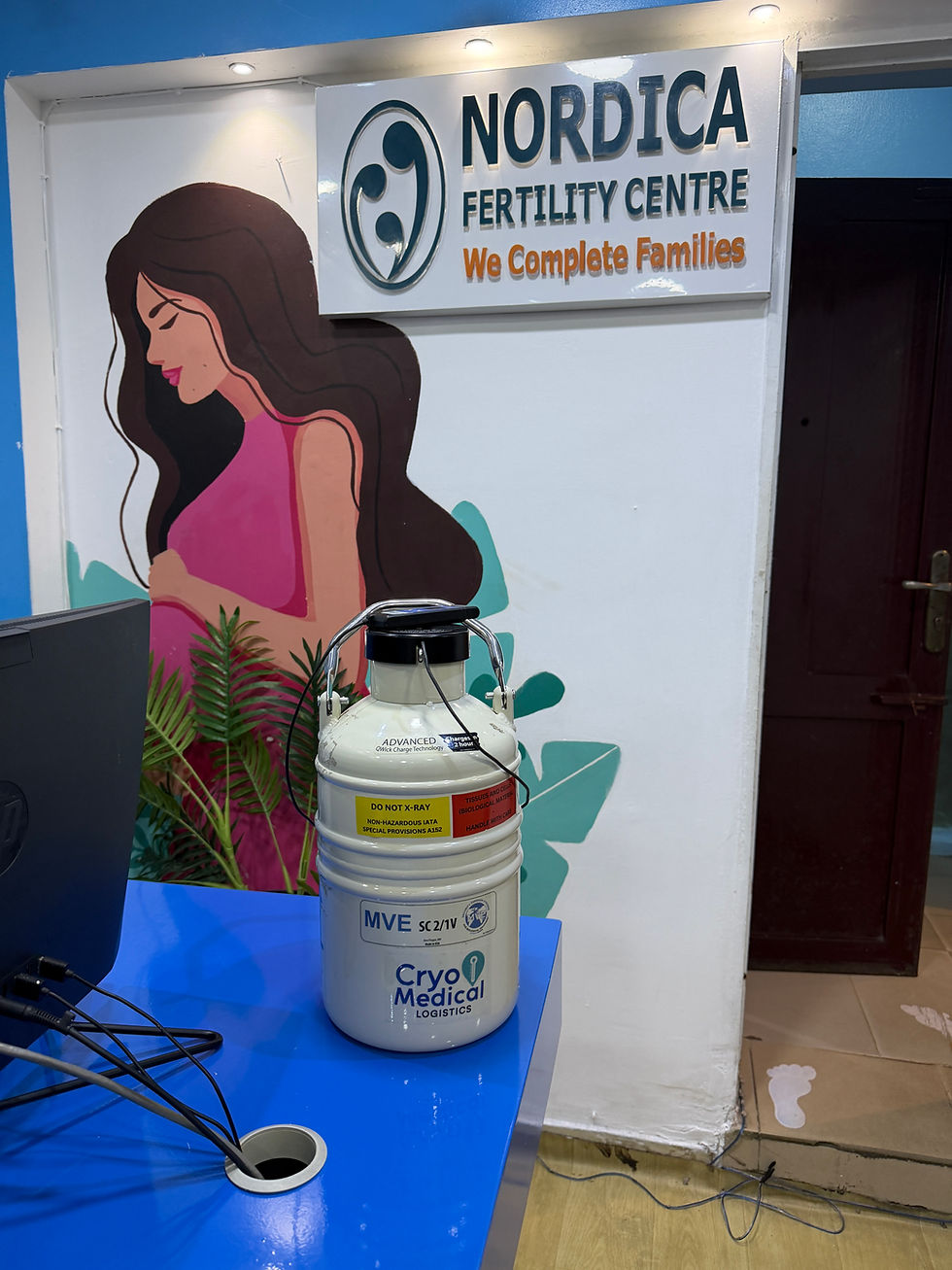
Not every courier will handle Iran-bound cryogenic shipments. Reproductive biomaterials require unbroken cold-chain custody (typically maintained at around -196°C in a dry shipper) and a hand-carry, do-not-X-ray protocol from departure to arrival. Many general logistics providers won't take on Iran routing at all because of sanctions exposure or lack of in-country handling relationships; others will quote it but lack the actual operational footprint to execute it reliably.
Documentation has to satisfy two systems at once — the exporting country's customs and biological material export requirements, and Iran's import and clinic-receipt requirements — with accurate, consistent paperwork at every handoff.
This is a specialist task, not a courier add-on. If your chosen agency says shipping "won't be a problem," ask them exactly which carrier does it, how many times they've completed that specific route, and what their chain-of-custody documentation looks like end to end.
Whether you're shipping into Iran or coordinating an international corridor elsewhere in the region, this is precisely the kind of supervised, compliance-aware cryogenic transport that general couriers and even most fertility concierge services aren't set up to handle — which is why intended parents should treat it as its own line item in their planning, not an afterthought bundled into a clinic package.
The bottom line
Iran offers a genuinely legal, well-established, and comparatively affordable surrogacy pathway for eligible married couples — but the absence of a single comprehensive national law means the quality of your experience depends heavily on the agency and clinic you choose, not just the law itself. Get independent legal advice in your home country first, demand a fully itemised quote, and treat cross-border logistics — payments, customs, and cryogenic transport — as a core part of your due diligence, not a detail to sort out later.
Contact us:
Whatsapp: +447585610211
Phone: +442081500059
This article is for general informational purposes and does not constitute legal or medical advice. Intended parents should consult a qualified immigration and family law attorney in their home country before beginning a surrogacy journey abroad.



Comments