
COFEPRIS Import Permits for Frozen Eggs, Embryos & Sperm: What You Need to Know Before Shipping to Mexico


Short on time? Here's what every intended parent or patient needs to know:
Mexico requires a COFEPRIS (Comisión Federal para la Protección contra Riesgos Sanitarios) import permit before frozen reproductive tissue — eggs, embryos, sperm, or stem cells — can legally clear customs and reach a clinic. The permit is typically arranged through brokers or licenced clinics.
Shipping without one risks seizure, destruction of irreplaceable biological material, or indefinite customs hold. We manage the entire COFEPRIS process for our clients as part of our Mexico transport packages, which start at $12,867.
Contact us
Cryo Medical Logistics operates across 100+ countries. Every quote is specific to your route, your clinics, your material, and your regulatory situation.
📧 Email: transports@cryomedicallogistics.com
📱 WhatsApp: +44 7585 610211
📞 Phone: +44 2081 500059
What Is COFEPRIS, and Why Does It Matter for Your Shipment?
COFEPRIS is Mexico's federal health-risk regulator — the equivalent of the FDA in the United States. Any biological material entering Mexico for medical use, including reproductive tissue, falls under its oversight. For intended parents or patients moving frozen eggs, embryos, sperm, or stem cells into Mexico — whether for IVF, embryo transfer, or fertility preservation — a COFEPRIS import permit is the legal gateway that allows customs to release the shipment to the receiving clinic.
This isn't a formality you can skip. Reproductive tissue that arrives without the correct permit in place can be held, delayed past the point of safe temperature maintenance, or in worst cases refused entry entirely.
Do You Need a COFEPRIS Permit? A Quick Breakdown by Material Type
Frozen embryos: Yes. Embryos require the import permit regardless of whether they're being transferred immediately or placed into storage on arrival.
Frozen eggs (oocytes): Yes. The same permit framework applies, and the receiving clinic must be authorised to accept the shipment.
Sperm: Yes, though the documentation profile is generally lighter than for embryos, particularly for directed donor or partner samples.
Stem cells / cord tissue: Yes — these fall under a related but distinct import classification, and typically require additional clinical justification.
In every case, the permit is tied to the receiving clinic in Mexico, not the patient travelling with or shipping the tissue. This is why choosing a clinic with established COFEPRIS import experience — or a transport partner who already coordinates with COFEPRIS-registered clinics — matters as much as the transport itself.
What the Permit Process Involves
At a high level, a COFEPRIS import authorisation requires:
A receiving clinic in Mexico authorised to handle imported reproductive tissue
Documentation confirming the origin, ownership, and medical purpose of the material
Coordination between the exporting clinic (or storage facility), the transport provider, and the receiving clinic
Advance submission — this is not something arranged at the airport on arrival day
We don't publish a step-by-step breakdown of the permit process here, because in practice it varies by receiving clinic, material type, and current COFEPRIS processing requirements — and getting a single detail wrong can cost you the shipment. This is exactly the coordination we manage on our clients' behalf.
Typical Timeline
COFEPRIS permit processing is not instant. Intended parents should plan for the permit to be arranged well in advance of the shipment date — this is not a same-week process. Building this into your treatment timeline early, alongside your clinic's cycle planning, avoids the most common cause of delay we see: patients or clinics assuming the permit can be sorted once the shipment is already in transit.
What Happens If You Ship Without One
We've seen the consequences of unsupervised or improperly permitted shipments elsewhere in the industry, and the risks are real:
Customs seizure or hold — reproductive tissue is not treated as routine cargo, and unpermitted shipments can be flagged and held indefinitely
Temperature failure during a hold — every hour outside a properly maintained dry shipper risks the viability of eggs, embryos, or sperm
Total loss of irreplaceable material — unlike most cargo, frozen reproductive tissue cannot be replaced if compromised
This is why the permit isn't a paperwork nicety — it's the difference between your shipment arriving intact and it not arriving at all.
How We Manage COFEPRIS Compliance For You
As your transport and logistics manager, we coordinate the COFEPRIS import process end-to-end alongside your receiving clinic — not as a separate add-on, but as a core part of how we move reproductive tissue into Mexico. That includes:
Working directly with your clinic's import team to align permit timing with your shipment date
Ensuring documentation is submitted with enough lead time to avoid delays
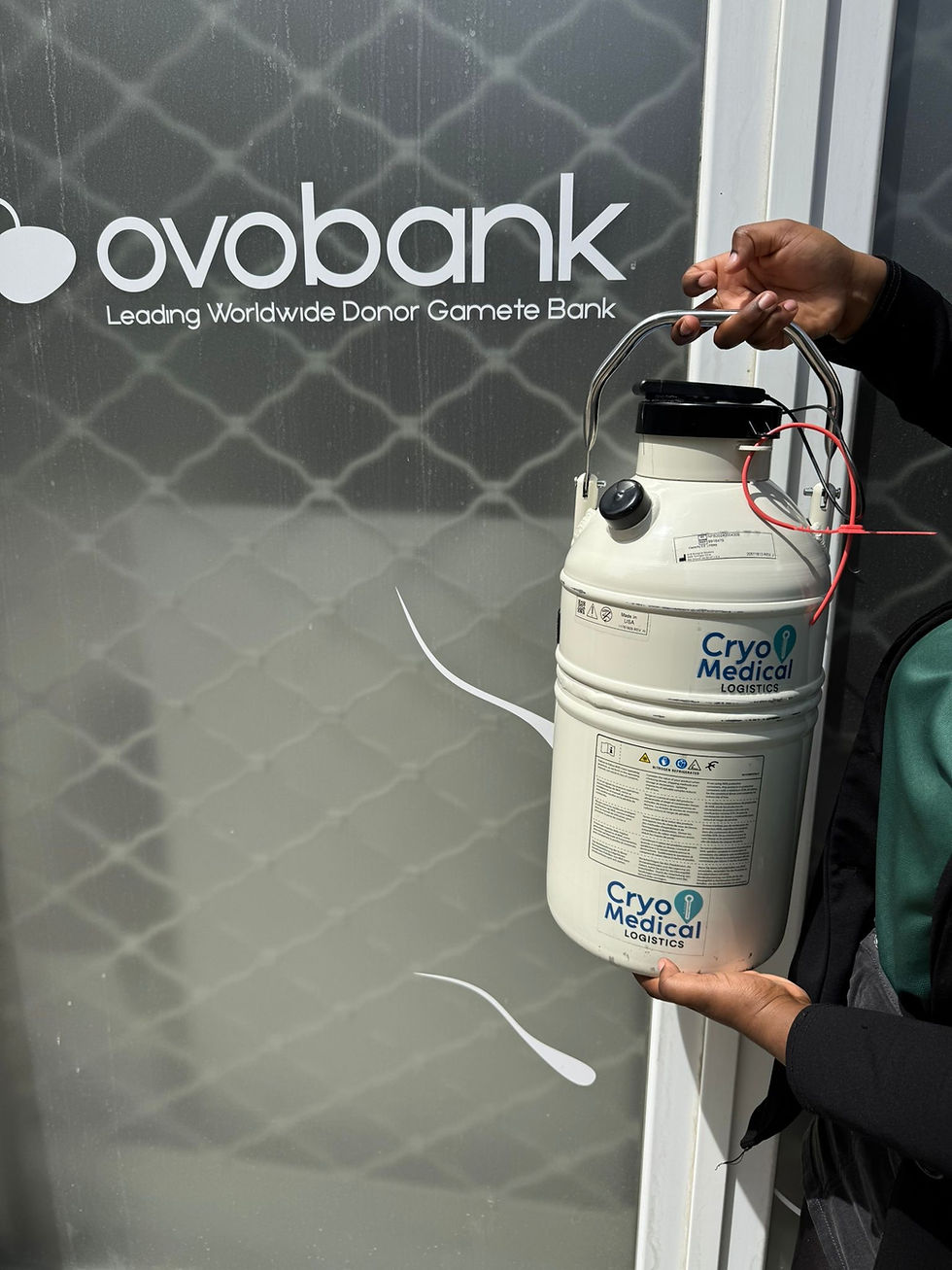
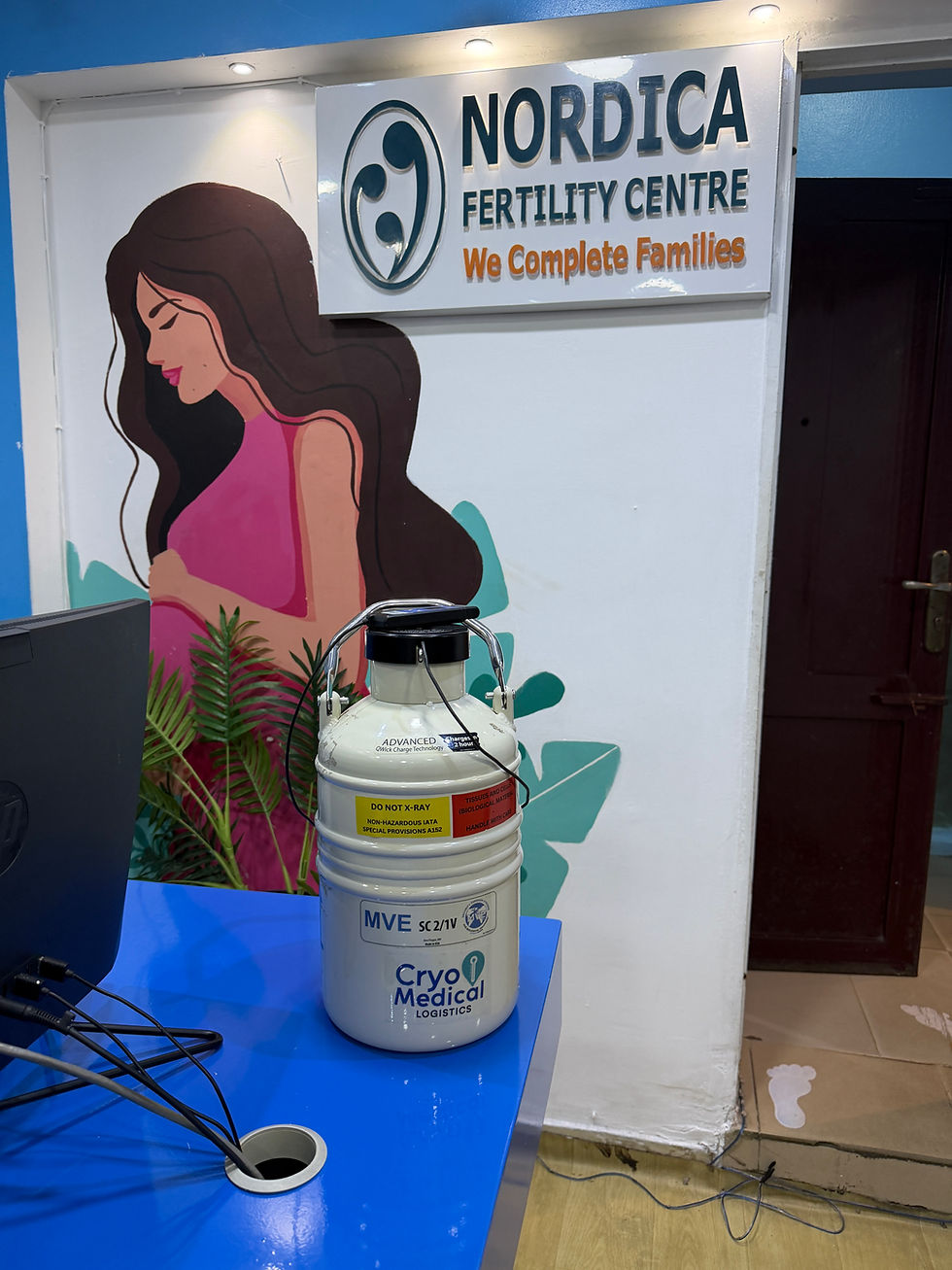
Hand-carrying your shipment in a −196°C dry shipper under our Do Not X-Ray protocol throughout transit
Coordinating customs clearance on arrival so your tissue moves straight to the receiving clinic without unnecessary handling
We operate under ISO 9001:2015 certification and FCA-regulated insurance, and every Mexico shipment is accompanied hand-carry only, door to door — the tissue never travels as unaccompanied freight.
Cost
COFEPRIS permit handling is bundled into our Mexico transport packages rather than billed as a separate line item. Full transport packages — including customs clearance and COFEPRIS permit coordination — start at $12,807, though the final cost depends on origin city, material type, and receiving clinic.
This figure excludes medication, testing, freezing, and storage fees, which are billed separately by your treating clinic.
For a full breakdown by destination city, see our US-to-Mexico frozen egg and embryo transport guide covering Tijuana, Guadalajara, Cancún, and Mexico City.
Frequently Asked Questions
Does the patient or the clinic apply for the COFEPRIS permit?
The permit is tied to the receiving clinic in Mexico. Patients don't apply for it directly — it's arranged in coordination between the clinic and the transport provider.
How far in advance should I start the COFEPRIS process?
As early as possible, ideally as soon as a shipment date is being discussed with your clinic — not once the shipment is already booked or in transit.
Can I ship eggs or embryos to Mexico without a COFEPRIS permit?
No. Shipments without proper authorisation risk being held or seized at customs, with no guarantee the tissue will remain viable during any delay.
Does sperm require the same permit as embryos?
Sperm falls under the same general import framework, though the documentation requirements are typically lighter than for embryos or eggs.
Is the COFEPRIS permit included in transport pricing?
Yes — our Mexico transport packages bundle COFEPRIS permit coordination into the overall cost rather than charging it separately.
What happens if my shipment arrives without proper documentation?
It can be held by customs pending resolution, which puts the tissue at risk from prolonged time outside supervised cryogenic storage.
Contact us
Cryo Medical Logistics operates across 100+ countries. Every quote is specific to your route, your clinics, your material, and your regulatory situation.
📧 Email: transports@cryomedicallogistics.com
📱 WhatsApp: +44 7585 610211
📞 Phone: +44 2081 500059
This article is provided for general informational purposes and does not constitute legal advice. COFEPRIS requirements can change, and the applicable process depends on your specific receiving clinic and material type. Speak with our team to confirm current requirements for your shipment.



Comments